
Introduction: A Community Etched in Memory
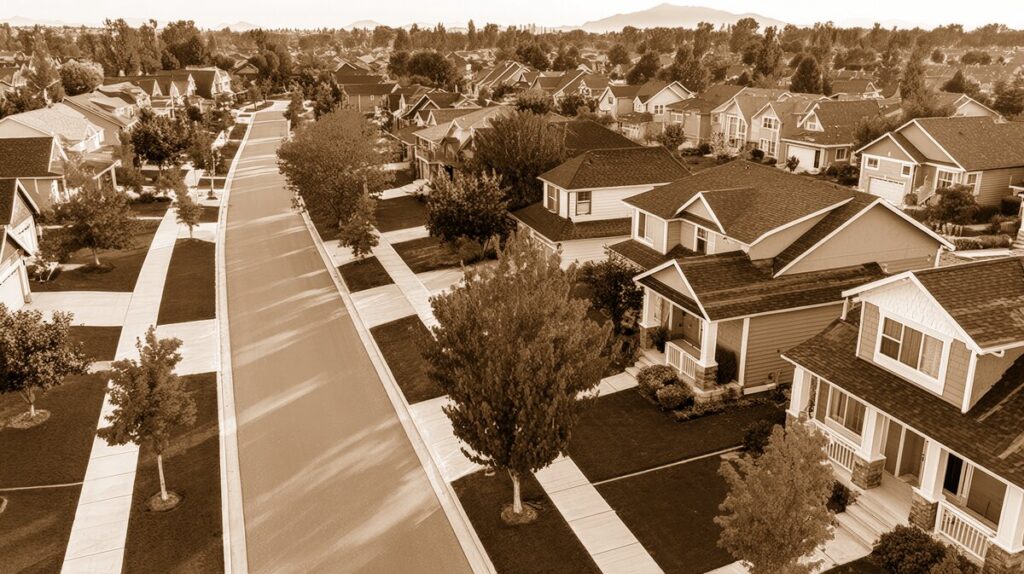
Nestled quietly on the western edge of Conway, South Carolina, Lakeland stands as a living testament to the city’s rich tapestry of history and neighborly spirit. Generations of families have called this neighborhood home, and its shaded streets, nostalgic landmarks, and close-knit community reflect both a respect for tradition and a gentle embrace of the future. Discovering Lakeland’s story is like paging through a beloved family album—each corner tells its own tale, and every street whispers of days gone by.
Roots: From Farmland to Friendly Neighborhood
Before the first houses ever graced the land, what is now Lakeland sprawled with farmland and dense pinelands characteristic of the Conway area. In the early 1950s, as Conway’s population began to grow in the post-war years, developers looked beyond downtown for new places to build. Drawn by the gently rolling topography and natural water features—the “lakes” and ponds dotting the lowgrounds—the neighborhood was christened “Lakeland.” The name was both practical and poetic, capturing the serene mood created by the small, shimmering bodies of water that remain a signature of the district today.
Early Development and Milestones
Much of Lakeland’s initial development took place between the mid-1950s and the early 1970s. The neighborhood’s earliest streets—like Cedar Avenue, Pinewood Circle, and Lakeland Drive—were laid with community in mind, often looping in gentle curves and branching off quiet side lanes. New homes appeared, built with family life at their core: roomy front porches, private backyard oases, and plenty of windows to let in the gentle Carolina sunlight.
A key milestone in Lakeland’s early history came with the establishment of Lakeland Elementary School in the early 1960s (today replaced by other district schools, but fondly remembered by longtime residents). The school’s presence nurtured a sense of identity and provided a gathering space for the neighborhood, hosting everything from pancake breakfasts to talent shows.
As the neighborhood grew, the original Lakeland Community Park was founded near the intersection of Lakeland Drive and Pinewood Circle. It remains a charming local gathering place, with its playground, picnic shelters, and seasonal festivals, and many current residents still recall summers spent playing catch under the stately oaks or chasing fireflies as dusk fell.
Notable Landmarks and Institutions
- Lakeland Community Park: While not grand in scale, this pocket park is the neighborhood’s heart, adorned with benches that bear dedication plaques to generations past. Residents gather here for National Night Out celebrations, family barbecues, and impromptu games.
- The Old Lakeland Chapel: While no longer holding regular religious services, the small brick chapel on Lakeland Drive—built in the late 1950s—stands as a symbol of the neighborhood’s faith and unity. The building, with its distinctive white steeple, is often used for community meetings and small weddings.
- Historic Residences on Cedar Avenue: Several mid-century homes along Cedar Avenue represent classic Southern architecture—broad porches, brick facades, and mature shade trees. Some houses even retain original features, like glass doorknobs and heart pine floors, markers of the neighborhood’s craftsmanship and pride.
A Changing Landscape: Growth & Adaptation
As Conway continued to evolve—with Coastal Carolina University expanding to the north and commercial corridors stretching outward—Lakeland adapted too. The neighborhood saw new construction during the 1980s and 1990s as families sought both the charm of an established community and the convenience of nearby amenities.
The “Lakeland Greenway,” a walking loop created in the early 2000s, was added to connect the various cul-de-sacs and provide a safe pathway for joggers, cyclists, and families with strollers. This addition transformed idle green spaces into active communal zones and encouraged intergenerational mingling.
Residents are particularly proud of a robust Neighborhood Watch program, established in the 1990s. Block parties, chili cook-offs, and annual yard sales foster bonds that run deep, making Lakeland one of Conway’s most welcoming places to set down roots.
Looking Back, Moving Forward
Even as modern life brings change—new faces, renovated homes, and evolving traditions—Lakeland’s essence remains the same. On breezy evenings, neighbors still chat over low white fences, reminiscing about long-ago Halloween parades or the days when you could buy a soda pop at the corner store on Main Street. The original charm of Lakeland—the tranquil ponds, the chirping of birds at dawn, and the easy camaraderie among residents—continues to define life here today.
Why Lakeland Is Special
Those who know Lakeland best will tell you that its charm comes not just from its pretty streets or tidy homes, but from the deep sense of belonging that permeates every gathering. Whether you’re attending a summer picnic at the park, pausing to chat in a driveway, or just wandering the leafy sidewalks along Pinewood Circle, you’re part of a living history—one where everyone has a story, and every story adds a new chapter to Lakeland’s enduring narrative.
Conclusion: A Neighborhood Full of Heart
Lakeland’s history is a patchwork of dedication, shared memories, and quiet beauty. Generation after generation have called these streets home, each contributing to the warm, vibrant spirit that sets the neighborhood apart. In a rapidly changing world, places like Lakeland remind us that true heritage isn’t just about what once was—it’s about the connections and traditions that continue to shape our future.